
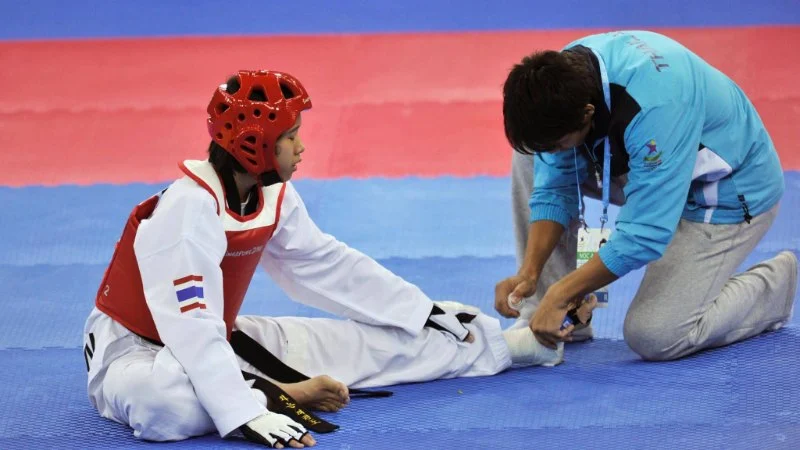
- 1. Why Injury Prevention is Key in Tae Kwon Do
- 2. The Role of Proper Technique in Injury Prevention
- 3. Fitness and Conditioning for Tae Kwon Do
- 4. Recovery and Rest: Vital for Long-Term Success
- 5. Real-Life Tae Kwon Do Stories of Overcoming Injury
- 6. Where to Find the Best Tae Kwon Do Resources
- 7. Conclusion
1. Why Injury Prevention is Key in Tae Kwon Do
Tae Kwon Do is an exhilarating martial art that emphasizes agility, flexibility, and strength. However, with its intense movements, rapid footwork, and powerful kicks, the risk of injury can be significant for those who aren’t properly prepared. Injury prevention should be at the forefront of every practitioner’s mind, especially for beginners or those aiming to progress quickly.

Budo Martial Arts Studio / budo martial arts studio
Ewing TownshipMercer CountyNew Jersey
9 Scotch Rd, Ewing Township, NJ 08628, USA
2. The Role of Proper Technique in Injury Prevention
One of the most critical aspects of staying injury-free in Tae Kwon Do is mastering proper technique. When performing kicks, punches, or other strikes, improper form can place undue strain on muscles and joints, leading to injuries. For instance, failing to land correctly after a spinning kick can result in ankle sprains or knee injuries.
Ensure you always practice under the supervision of qualified instructors. A good instructor will emphasize technique, teach you how to protect vulnerable joints, and ensure you're using the right muscles to execute movements efficiently.

Champions Martial Arts Plainview / champions martial arts plainview
PlainviewNassau CountyNew York
10 Washington Ave, Plainview, NY 11803, USA
3. Fitness and Conditioning for Tae Kwon Do
Good physical conditioning is the foundation of injury prevention in Tae Kwon Do. Martial arts demand strength, endurance, and flexibility. A regular fitness regimen should complement your training, focusing on core strength, leg power, and flexibility. Core strength, for example, helps stabilize the body during kicks and other dynamic movements.
Consider incorporating exercises like squats, lunges, planks, and yoga into your routine to improve flexibility and strength. Additionally, cardiovascular exercises such as running or cycling will help you build endurance, allowing you to perform better without risking overexertion.
4. Recovery and Rest: Vital for Long-Term Success
Many Tae Kwon Do practitioners underestimate the importance of recovery. It’s easy to push your body hard in training, but without sufficient rest, you risk burnout and injuries. Giving your muscles time to repair is essential for avoiding overuse injuries, such as tendonitis or stress fractures.
Ensure you’re getting enough sleep, practicing active recovery (like stretching or light exercises), and fueling your body with proper nutrition. If you feel pain or discomfort after training, don’t ignore it. Seek medical attention or consult your instructor to adjust your training regimen accordingly.
5. Real-Life Tae Kwon Do Stories of Overcoming Injury
There are numerous success stories from the Tae Kwon Do community where individuals have successfully overcome injury through proper recovery and dedication. One such story is that of John Lee, a black belt practitioner who suffered a knee injury but was able to return to full strength after focusing on rehabilitation, building leg strength, and adapting his training regimen to prevent further injuries.
These stories highlight the importance of resilience and intelligent training. Injuries can happen, but with the right approach, you can recover and continue progressing in your Tae Kwon Do journey.
6. Where to Find the Best Tae Kwon Do Resources
Finding quality Tae Kwon Do resources can help you stay injury-free and improve your technique. Websites like Jeuns TKD Hub offer a wide variety of training materials, from instructional videos to expert advice on nutrition and injury prevention. Whether you're looking for gear or educational content, you can find reliable resources to support your Tae Kwon Do practice.
7. Conclusion
Staying healthy and injury-free during your Tae Kwon Do journey requires discipline, focus, and consistency. By practicing proper technique, staying physically conditioned, and prioritizing recovery, you’ll set yourself up for long-term success. Remember, injury prevention isn’t just about avoiding harm – it’s about ensuring you can continue to enjoy and grow within this dynamic martial art. Stay strong, train smart, and take care of your body to unlock your full potential in Tae Kwon Do!



 Aikido of San Jose4.0 (7 reviews)
 Nikko Jujitsu School4.0 (9 reviews)
 Gracie Barra San Clemente Martial Arts4.0 (47 reviews)
 Karate Institute of America4.0 (4 reviews)
 Keweenaw Korean Martial Arts0.0 (0 reviews)
 Wing Chun School of Internal Arts5.0 (6 reviews)
 How to Execute a Jumping Roundhouse Kick to the Head
 How to Execute a Double Kick Combination in Sparring
 How to Perform a Flawless Axe Kick: A Step-by-Step Guide
 DIY Tae Kwon Do Training Equipment for Home Practice
 How to Increase Your Vertical Jump for Tae Kwon Do Flying Kicks
 The History of the Tae Kwon Do Peace Corps