
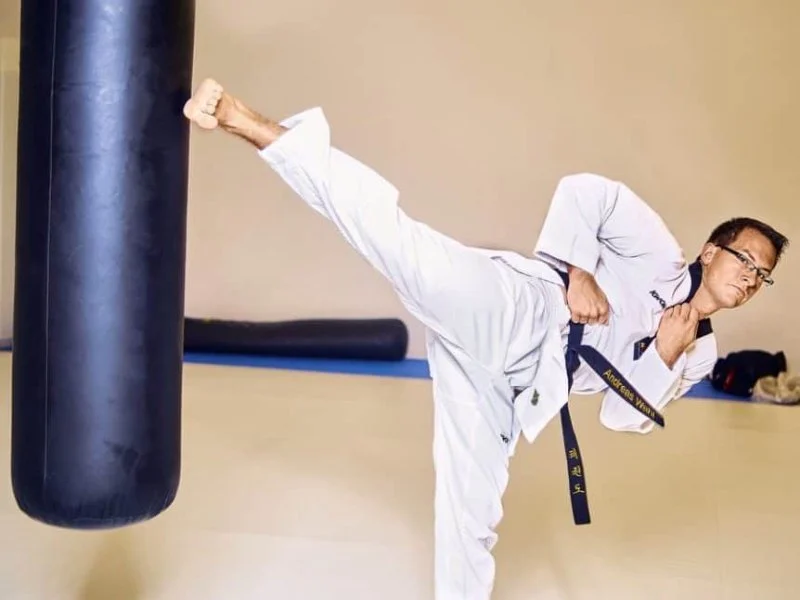
- Understanding Overtraining in Tae Kwon Do
- Signs of Overtraining
- The Importance of Rest and Recovery
- Proper Technique and Injury Prevention
- Training Smart for Long-Term Success
- Recommendations from Jeuns TKD Hub
1. Understanding Overtraining in Tae Kwon Do
Overtraining in Tae Kwon Do occurs when practitioners push themselves beyond their physical and mental limits without allowing adequate time for rest and recovery. While pushing yourself to improve is important, excessive training without proper recovery can lead to burnout, fatigue, and injury.
In martial arts, where high-intensity sparring, repetitive movements, and rigorous techniques are common, overtraining can severely affect performance. It can reduce muscle strength, slow reaction times, and even increase the risk of injury. It’s essential to understand the balance between effort and recovery in order to avoid overtraining and maintain a sustainable training routine.
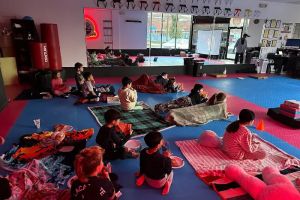
Champions Martial Arts Plainview / champions martial arts plainview
PlainviewNassau CountyNew York
10 Washington Ave, Plainview, NY 11803, USA
2. Signs of Overtraining
Recognizing the signs of overtraining early is critical in preventing long-term injuries and setbacks. Here are some common symptoms of overtraining in Tae Kwon Do:
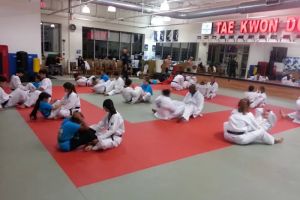
Lee’s Taekwondo Martial Arts / master lee tkd
AnnapolisAnne Arundel CountyMaryland
1787 Forest Dr, Annapolis, MD 21401, USA
1. Persistent Fatigue
If you find yourself feeling fatigued even after rest days, it could be a sign that your body isn’t fully recovering. Persistent tiredness is often one of the first signs that you’ve been pushing yourself too hard without adequate recovery time.
2. Decreased Performance
One of the most noticeable signs of overtraining is a drop in your performance. If your kicks feel sluggish, your reflexes are slower, or you struggle with basic techniques, your body may be signaling that it needs more rest.
3. Increased Injuries or Pain
When overtraining occurs, the risk of injury increases due to muscle fatigue, joint strain, and reduced coordination. If you begin experiencing more frequent injuries or persistent soreness, this may indicate that your body is not recovering properly between training sessions.
4. Irritability or Mood Swings
Overtraining doesn’t only affect your body but can also impact your mental state. Irritability, mood swings, and a lack of motivation are common emotional signs of overtraining. Mental burnout can occur alongside physical fatigue, leading to a decrease in your overall well-being.
3. The Importance of Rest and Recovery
Rest and recovery are just as important as training when it comes to maintaining your health and improving performance in Tae Kwon Do. Recovery allows your muscles to repair, rebuild, and grow stronger, while also giving your body the chance to replenish energy stores depleted during training.
1. Active Rest
Active rest doesn’t mean doing nothing. It involves engaging in light activities that promote recovery, such as walking, swimming, or gentle stretching. These activities increase blood circulation, helping to reduce muscle soreness and speed up recovery without putting strain on your body.
2. Sleep
Sleep is a critical aspect of recovery. During deep sleep, the body produces growth hormones that repair muscles and tissues. Ensure you’re getting 7-9 hours of quality sleep each night to support your physical and mental recovery from intense training sessions.
3. Nutrition
Proper nutrition is essential for muscle recovery and energy restoration. Focus on consuming a balanced diet with enough protein to repair muscle tissue, carbohydrates to replenish glycogen stores, and healthy fats to support joint health. Hydration is also key—be sure to drink plenty of water before, during, and after training.
4. Proper Technique and Injury Prevention
Proper technique is the foundation of injury prevention in Tae Kwon Do. Whether you’re performing a kick, punch, or blocking technique, ensuring that your form is correct can help reduce strain on your muscles and joints.
1. Focus on Alignment
Ensure that your body is properly aligned during each movement. Poor alignment can lead to unnecessary tension and stress on the joints, especially the knees, ankles, and hips. Work closely with your instructor to correct any misalignment and refine your form.
2. Build Flexibility
Flexibility is essential for preventing muscle strains and joint injuries. Incorporate regular stretching and flexibility exercises into your routine to improve the range of motion in your hips, legs, and back. This will make it easier to execute high kicks and deep stances while reducing the risk of injury.
3. Use Protective Gear
Wearing the proper protective gear is essential, particularly during sparring or contact drills. Headgear, mouthguards, shin guards, and padded gloves are all designed to protect you from injury while allowing you to train with more confidence and security.
5. Training Smart for Long-Term Success
Training smart is the key to long-term success in Tae Kwon Do. By focusing on a balanced routine that prioritizes technique, strength, flexibility, and rest, you’ll be able to prevent overtraining and injuries while consistently improving your skills.
1. Set Realistic Goals
Set short-term and long-term goals that are challenging but achievable. This will help keep you motivated without overloading yourself. By celebrating small victories along the way, you’ll stay focused and avoid the temptation to push yourself too hard.
2. Cross-Train
Cross-training can prevent burnout and injuries by engaging different muscle groups. For example, complement your Tae Kwon Do training with activities like swimming, yoga, or strength training to build overall fitness without putting excessive stress on the same muscles day after day.
3. Listen to Your Body
Your body will tell you when it’s time to rest. If you’re feeling fatigued, sore, or mentally drained, it’s important to take a step back and allow for proper recovery. Pushing through pain can lead to serious injuries and setbacks, so always listen to the signals your body is sending you.
6. Recommendations from Jeuns TKD Hub
If you want to enhance your Tae Kwon Do journey and train safely, visit Jeuns TKD Hub. We offer a wide range of quality products, including protective gear, training tools, and apparel to support your training and recovery. Explore our collection for the best products to keep you injury-free and performing at your best!

 Open Mat Academy5.0 (168 reviews)
 Ancient Wayz Kung Fu5.0 (2 reviews)
 Nirvana Jeet Kune Do Society5.0 (6 reviews)
 Master Scarsella's World Class Tae Kwon Do5.0 (72 reviews)
 MASTER SHIM'S WORLD CLASS TAE KWON DO5.0 (39 reviews)
 Young Brothers Tae Kwon DO Center4.0 (12 reviews)
 How to Execute a Jumping Roundhouse Kick to the Head
 How to Execute a Double Kick Combination in Sparring
 How to Perform a Flawless Axe Kick: A Step-by-Step Guide
 DIY Tae Kwon Do Training Equipment for Home Practice
 How to Increase Your Vertical Jump for Tae Kwon Do Flying Kicks
 The History of the Tae Kwon Do Peace Corps