
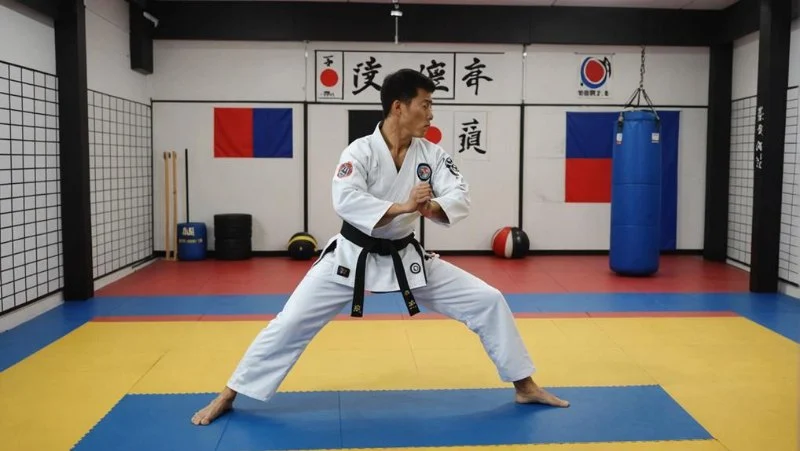
- 1. Importance of a Structured TKD Routine
- 2. Assessing Your Current Skills
- 3. Building a Training Schedule
- 4. Key Components of TKD Training
- 5. Incorporating Mental Focus and Discipline
- 6. Tracking Progress and Adjusting Routine
- 7. Tips for Maintaining Motivation
1. Importance of a Structured TKD Routine
A well-structured Tae Kwon Do training routine is essential for consistent progress and skill development. Structured routines provide a balance between technical practice, physical conditioning, and mental focus, ensuring that all aspects of TKD are addressed. Without a routine, practice can become haphazard, leading to slower progress and potential injury.
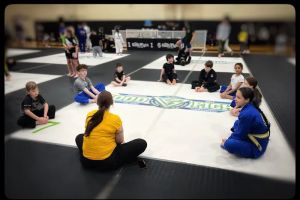
Budo Martial Arts Studio / budo martial arts studio
Ewing TownshipMercer CountyNew Jersey
9 Scotch Rd, Ewing Township, NJ 08628, USA
2. Assessing Your Current Skills
Before building your training routine, assess your current skill level. Identify strengths, weaknesses, and areas that need improvement, such as kicks, forms (poomsae), sparring, or flexibility. Understanding your skill level helps create a focused routine that targets areas for growth while reinforcing your existing strengths.
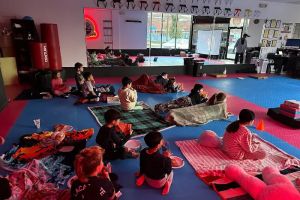
Champions Martial Arts Plainview / champions martial arts plainview
PlainviewNassau CountyNew York
10 Washington Ave, Plainview, NY 11803, USA
3. Building a Training Schedule
Consistency is key in TKD. Develop a training schedule that includes multiple sessions per week, balancing technical drills, physical conditioning, and recovery time. Beginners may start with 3-4 sessions per week, while advanced practitioners can train more frequently, integrating sparring and specialized drills.
4. Key Components of TKD Training
A comprehensive TKD routine should include several core components:
4.1. Technical Drills
Practice fundamental techniques such as punches, blocks, and kicks daily. Focus on precision, speed, and correct form. Use repetition to build muscle memory and improve reaction time.
4.2. Forms (Poomsae)
Regular practice of poomsae enhances coordination, balance, and fluidity in movements. Perform forms slowly at first, then gradually increase speed while maintaining proper technique.
4.3. Sparring Practice
Sparring develops timing, strategy, and adaptability. Include controlled sparring sessions with partners to practice defensive and offensive skills in realistic scenarios.
4.4. Physical Conditioning
Strength, endurance, flexibility, and agility are critical for TKD performance. Incorporate exercises such as plyometrics, cardio, and core training into your routine to enhance overall physical fitness.
5. Incorporating Mental Focus and Discipline
Mental focus is as important as physical skill in Tae Kwon Do. Meditation, visualization, and mindful practice help improve concentration and reaction time. Building discipline ensures consistent practice and long-term growth in TKD proficiency.
6. Tracking Progress and Adjusting Routine
Keep a training log to monitor improvements and identify areas needing adjustment. Review progress regularly and adjust your routine to maintain challenges and avoid plateaus. Flexibility in your schedule allows for targeted improvement and prevents overtraining.
7. Tips for Maintaining Motivation
Set achievable goals, celebrate milestones, and seek guidance from instructors or peers. Joining a TKD community, attending workshops, and participating in competitions can keep your training exciting and engaging. For expert resources and recommended training equipment, visit Jeuns TKD Hub to access tools and guidance for creating the most effective Tae Kwon Do routine.


 Aikido of San Jose4.0 (7 reviews)
 Nikko Jujitsu School4.0 (9 reviews)
 Gracie Barra San Clemente Martial Arts4.0 (47 reviews)
 Karate Institute of America4.0 (4 reviews)
 Keweenaw Korean Martial Arts0.0 (0 reviews)
 Wing Chun School of Internal Arts5.0 (6 reviews)
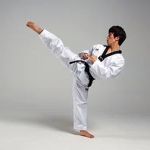 How to Execute a Jumping Roundhouse Kick to the Head
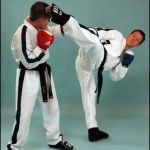 How to Execute a Double Kick Combination in Sparring
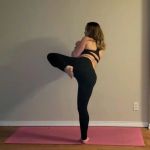 How to Perform a Flawless Axe Kick: A Step-by-Step Guide
 DIY Tae Kwon Do Training Equipment for Home Practice
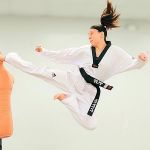 How to Increase Your Vertical Jump for Tae Kwon Do Flying Kicks
 The History of the Tae Kwon Do Peace Corps