
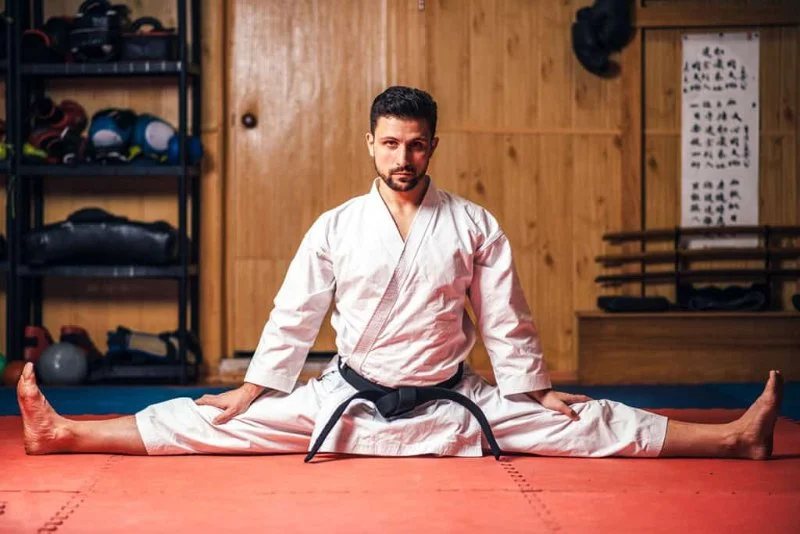
1. Understanding Strength and Flexibility in Tae Kwon Do
In Tae Kwon Do, two physical attributes are crucial to mastering techniques and improving performance: strength and flexibility. While both are vital to success in martial arts, they serve different purposes and need to be developed in harmony to achieve the best results.
Strength in Tae Kwon Do is necessary for delivering powerful strikes, maintaining proper stances, and performing explosive movements like jumping kicks. Flexibility, on the other hand, allows for greater range of motion, better kicks, and the ability to execute high-level techniques with precision.
Balancing both strength and flexibility is key to becoming a more effective and well-rounded Tae Kwon Do practitioner. Let’s take a closer look at why these attributes are both essential and how you can effectively balance them in your training.
Budo Martial Arts Studio / budo martial arts studio
Ewing TownshipMercer CountyNew Jersey
9 Scotch Rd, Ewing Township, NJ 08628, USA
2. Why Both Strength and Flexibility Are Essential in Tae Kwon Do
Incorporating strength and flexibility into your Tae Kwon Do training is not just about achieving physical prowess; it’s about enhancing your overall technique. Here's why both are essential:
- Strength: Strong muscles help you generate force, perform powerful kicks, and maintain control during sparring or forms practice. Without sufficient strength, even the most technically correct kicks or punches may lack power, reducing their effectiveness.
- Flexibility: Flexibility improves your range of motion, which is critical for high kicks, quick movements, and executing precise techniques. Flexibility helps prevent injuries by allowing muscles and joints to move fluidly and reduces the risk of strains or sprains.
- Combined Effect: The combination of strength and flexibility allows you to perform explosive movements with full control. For instance, a powerful kick with proper flexibility enables you to deliver a clean, high, and effective strike.
3. How to Incorporate Strength Training
Strength training is crucial for building the muscle power needed to perform Tae Kwon Do techniques effectively. Here’s how to incorporate strength training into your routine:
- Focus on Compound Movements: Compound exercises like squats, lunges, and deadlifts target the large muscle groups in your legs and core, which are essential for generating power in Tae Kwon Do movements.
- Upper Body Strength: Push-ups, pull-ups, and shoulder presses build upper body strength, which is important for strikes, blocks, and maintaining balance during movements.
- Core Training: A strong core is fundamental in martial arts, helping with balance and power transfer during kicks and punches. Include exercises like planks, leg raises, and Russian twists in your strength training routine.
Strength training should be done 2-3 times per week, ensuring that you have adequate rest and recovery between sessions. Remember, the goal is to develop functional strength that complements your Tae Kwon Do techniques, not just bulk up muscles.
Champions Martial Arts Plainview / champions martial arts plainview
PlainviewNassau CountyNew York
10 Washington Ave, Plainview, NY 11803, USA
4. Improving Flexibility for Tae Kwon Do
Flexibility is critical for Tae Kwon Do practitioners, particularly for high kicks, dynamic movements, and injury prevention. Here are some effective ways to improve flexibility:
- Dynamic Stretching: Incorporate dynamic stretches before training sessions to warm up your muscles. Leg swings, hip rotations, and arm circles are great ways to prepare your body for Tae Kwon Do movements.
- Static Stretching: After training, spend time doing static stretches to increase flexibility. Hold stretches for 30 seconds to 1 minute, targeting the hamstrings, quads, hip flexors, and shoulders. These areas are particularly important for kicking techniques.
- PNF Stretching: Proprioceptive Neuromuscular Facilitation (PNF) stretching is a method that involves contracting and relaxing muscles to increase flexibility. It’s an effective technique for improving both range of motion and flexibility in specific muscle groups.
Flexibility training should be done consistently, with an emphasis on proper technique to avoid injury. As with strength training, balance is key—don’t push your body too hard, and allow for proper rest to avoid overstretching or injury.
5. Training Routine for Balancing Strength and Flexibility
To balance strength and flexibility in your Tae Kwon Do training, it’s important to design a well-rounded routine that addresses both aspects. Here's an example of a balanced weekly training schedule:
- Monday: Strength training focusing on legs and core (e.g., squats, lunges, planks), followed by dynamic stretching for flexibility.
- Tuesday: Tae Kwon Do practice focusing on techniques, forms, or sparring, combined with flexibility stretches for the hips, hamstrings, and back.
- Wednesday: Active recovery day with light cardio (e.g., swimming or cycling) and gentle stretching.
- Thursday: Strength training focusing on upper body and core (e.g., push-ups, pull-ups), followed by static stretching.
- Friday: Tae Kwon Do practice with an emphasis on high kicks and flexibility drills.
- Saturday: Rest or light activity like yoga to improve flexibility and recovery.
- Sunday: Active recovery or rest day.
6. Tips for Advanced Tae Kwon Do Athletes
As you advance in your Tae Kwon Do training, balancing strength and flexibility becomes even more important. Here are a few tips for advanced athletes:
- Target Specific Areas: Focus on improving areas of your body that may need additional work. For example, if your high kicks are limited by tight hamstrings, focus on improving flexibility in that area.
- Vary Your Training: Mix up your strength and flexibility training with different exercises to keep your muscles challenged and prevent plateaus.
- Mindful Practice: As you progress, be mindful of how strength and flexibility complement your techniques. Always strive for a balance that enhances your Tae Kwon Do performance.
7. Finding Tae Kwon Do Training Gear and Resources
For optimal performance in both strength and flexibility, it’s important to have the right training gear. At Jeuns TKD Hub, you’ll find the best Tae Kwon Do uniforms, training tools, and accessories to help you improve your skills. From high-quality doboks to strength training equipment and flexibility aids, Jeuns TKD Hub has everything you need to support your training journey.

 Aikido of San Jose4.0 (7 reviews)
 Nikko Jujitsu School4.0 (9 reviews)
 Gracie Barra San Clemente Martial Arts4.0 (47 reviews)
 Karate Institute of America4.0 (4 reviews)
 Keweenaw Korean Martial Arts0.0 (0 reviews)
 Wing Chun School of Internal Arts5.0 (6 reviews)
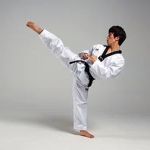 How to Execute a Jumping Roundhouse Kick to the Head
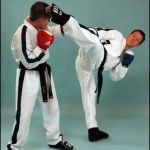 How to Execute a Double Kick Combination in Sparring
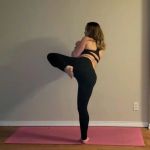 How to Perform a Flawless Axe Kick: A Step-by-Step Guide
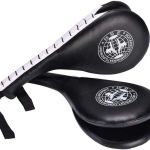 DIY Tae Kwon Do Training Equipment for Home Practice
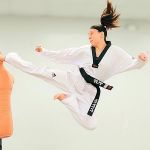 How to Increase Your Vertical Jump for Tae Kwon Do Flying Kicks
 The History of the Tae Kwon Do Peace Corps