
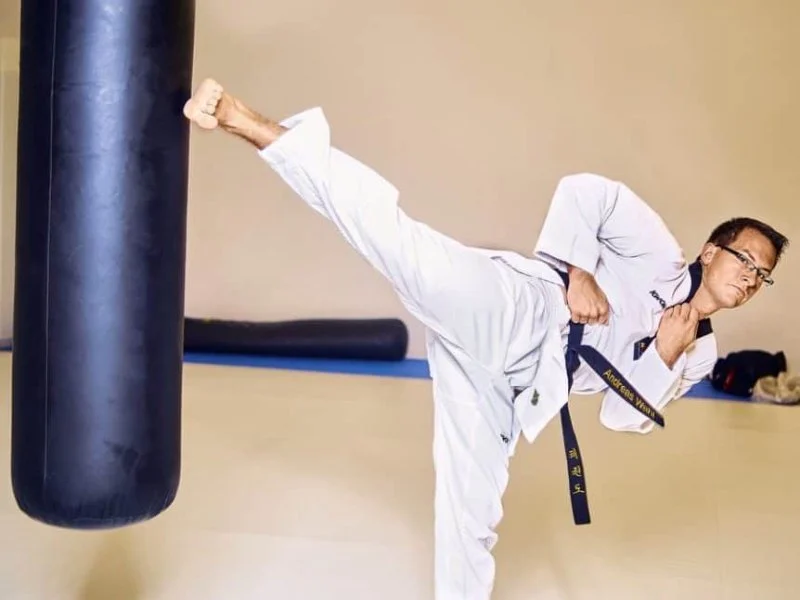
How to Avoid Common Injuries in Tae Kwon Do and Keep Training Safely
- 1. Common Injuries in Tae Kwon Do
- 2. Injury Prevention Techniques in Tae Kwon Do
- 3. The Importance of Warm-Ups and Stretching
- 4. Practicing Proper Techniques to Stay Safe
- 5. Real-Life Case Study: Overcoming Injury in Tae Kwon Do
- 6. Recommendations for Safe Training
1. Common Injuries in Tae Kwon Do
Tae Kwon Do is an intense and physically demanding martial art that requires flexibility, speed, and precision. While training can be highly rewarding, it also comes with the risk of injury. Some common injuries in Tae Kwon Do include:
- Sprains and Strains: These injuries often occur due to improper technique, overextension, or sudden movements.
- Fractures and Broken Bones: High-impact kicks and punches can sometimes lead to fractures, especially in the hands, wrists, or feet.
- Soft Tissue Injuries: Bruises, contusions, and tears to muscles or ligaments can occur during sparring or contact drills.
- Knee and Ankle Injuries: Because Tae Kwon Do involves a lot of jumping and landing, knee and ankle injuries are particularly common.
Understanding these common injuries can help you better prepare for training and recognize when something might go wrong before it becomes a serious issue.

Budo Martial Arts Studio / budo martial arts studio
Ewing TownshipMercer CountyNew Jersey
9 Scotch Rd, Ewing Township, NJ 08628, USA
2. Injury Prevention Techniques in Tae Kwon Do
Preventing injuries in Tae Kwon Do involves a combination of proper technique, strengthening exercises, and attention to body mechanics. Here are several techniques to help you avoid common injuries:
- Focus on Flexibility: Regular stretching and flexibility training are essential for reducing the risk of muscle strains and sprains.
- Strengthen Core and Legs: Strong muscles, especially in the core and legs, can support your movements and help prevent injuries during high-impact training.
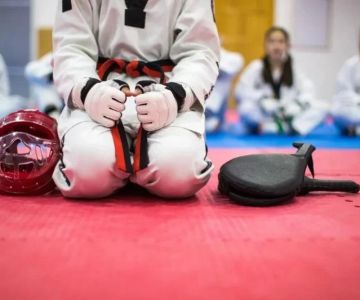
- Use Protective Gear: Proper safety equipment such as headgear, shin guards, and gloves can significantly reduce the risk of injury during sparring.
- Gradual Progression: Always start with basic movements and gradually increase intensity as you improve your technique and stamina. This helps prevent overexertion.
3. The Importance of Warm-Ups and Stretching
One of the most crucial aspects of preventing injuries is warming up properly before training. A good warm-up increases blood flow to the muscles, improves flexibility, and prepares the body for intense activity. A typical warm-up for Tae Kwon Do should include:
- Dynamic Stretching: Focus on movements that mimic Tae Kwon Do techniques, such as leg swings and arm circles, to prepare your muscles for action.
- Joint Mobility Exercises: Pay attention to joints that are heavily involved in Tae Kwon Do, like the knees, ankles, and shoulders. Perform gentle rotations and stretches to ensure they’re ready.
- Light Cardio: Start with light jogging or jumping jacks to get your heart rate up and your body warmed up.
By incorporating these stretches and exercises into your routine, you can reduce the likelihood of injuries caused by muscle tightness and poor flexibility.

Champions Martial Arts Plainview / champions martial arts plainview
PlainviewNassau CountyNew York
10 Washington Ave, Plainview, NY 11803, USA
4. Practicing Proper Techniques to Stay Safe
Many injuries in Tae Kwon Do occur due to improper technique, especially during high-speed movements like kicks and punches. Here are a few key tips for practicing safe and effective techniques:
- Maintain Proper Posture: Keeping a balanced stance is crucial for preventing falls and providing a solid foundation for strikes. Always ensure your posture is aligned when performing movements.
- Controlled Kicks and Strikes: While speed is important, it's even more essential to focus on precision and control. Avoid overextending kicks or punches, as this can strain your muscles and joints.
- Work with a Partner: Practicing with a partner allows you to develop your timing and response while ensuring you both stay safe. Always communicate and use controlled movements during sparring.
5. Real-Life Case Study: Overcoming Injury in Tae Kwon Do
Consider the case of a martial artist who sustained a serious knee injury during a sparring match. This injury was caused by an overextended kick and a lack of proper warm-up. However, through focused rehabilitation and a change in training methods, the athlete was able to recover and return to training safely.
The key takeaway from this case is the importance of avoiding overextension and ensuring your body is ready for the intensity of Tae Kwon Do. Proper recovery and rehabilitation are just as important as prevention when it comes to staying injury-free in the long run.
6. Recommendations for Safe Training
To ensure you train safely and avoid injuries, consider the following recommendations:
- Listen to Your Body: Don’t push through pain. If something doesn’t feel right, take a break and assess the situation.
- Rest and Recovery: Allow adequate rest between training sessions to let your muscles recover and rebuild. Overtraining can lead to injuries.
- Seek Professional Guidance: Always train under the supervision of a qualified instructor who can provide feedback on your technique and make necessary adjustments.
If you’re looking for quality Tae Kwon Do products, gear, or expert advice, check out Jeuns TKD Hub. We offer the best selection of training equipment and resources to help you improve your skills safely and effectively.


 Aikido of San Jose4.0 (7 reviews)
 Nikko Jujitsu School4.0 (9 reviews)
 Gracie Barra San Clemente Martial Arts4.0 (47 reviews)
 Karate Institute of America4.0 (4 reviews)
 Keweenaw Korean Martial Arts0.0 (0 reviews)
 Wing Chun School of Internal Arts5.0 (6 reviews)
 How to Execute a Jumping Roundhouse Kick to the Head
 How to Execute a Double Kick Combination in Sparring
 How to Perform a Flawless Axe Kick: A Step-by-Step Guide
 DIY Tae Kwon Do Training Equipment for Home Practice
 How to Increase Your Vertical Jump for Tae Kwon Do Flying Kicks
 The History of the Tae Kwon Do Peace Corps