
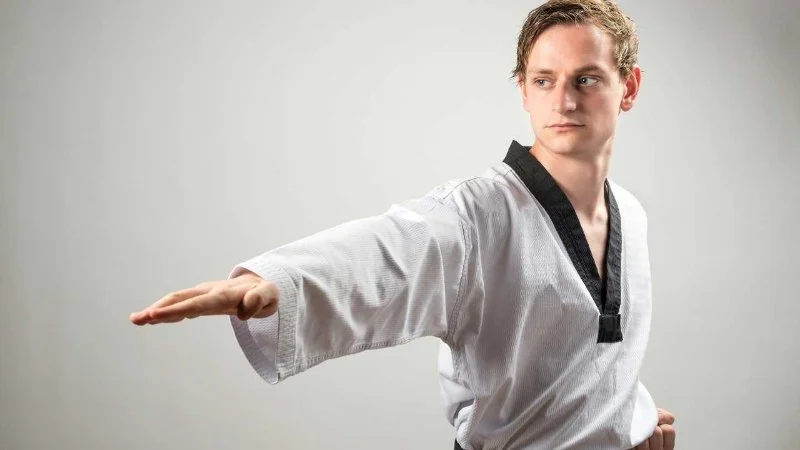
The Role of Breathing Techniques in Tae Kwon Do Performance
- The Importance of Breathing in Tae Kwon Do
- Types of Breathing Techniques Used in Tae Kwon Do
- How Breathing Affects Tae Kwon Do Performance
- Real-Life Examples of Breathing in Tae Kwon Do
1. The Importance of Breathing in Tae Kwon Do
Breathing may seem like a natural, automatic process, but in martial arts like Tae Kwon Do, it plays a critical role in performance. Proper breath control enhances stamina, focus, and technique, while poor breathing can lead to fatigue, stress, and a lack of focus during intense training or competition.
Understanding the importance of controlled breathing is essential for any Tae Kwon Do practitioner. Breathing correctly can help manage energy levels, reduce muscle tension, and keep you mentally sharp during sparring or while executing complex forms.

Budo Martial Arts Studio / budo martial arts studio
Ewing TownshipMercer CountyNew Jersey
9 Scotch Rd, Ewing Township, NJ 08628, USA
2. Types of Breathing Techniques Used in Tae Kwon Do
There are several breathing techniques commonly used in Tae Kwon Do to help practitioners maximize their performance. These techniques not only support physical endurance but also enhance mental clarity and focus. Let’s take a look at some of the key breathing methods:

Champions Martial Arts Plainview / champions martial arts plainview
PlainviewNassau CountyNew York
10 Washington Ave, Plainview, NY 11803, USA
Diaphragmatic Breathing (Abdominal Breathing)
Diaphragmatic breathing, also known as abdominal or belly breathing, involves engaging the diaphragm to draw in air deeply into the lungs. This method maximizes oxygen intake and helps practitioners maintain energy levels during intense training. It also promotes relaxation, reducing muscle tension and stress.
Kihap (Power Shout)
In Tae Kwon Do, the kihap is a loud, focused exhalation made while executing a powerful strike or block. This sharp breath helps to expel tension, improve focus, and generate more power behind the technique. The kihap is a vital part of martial arts culture, often seen as a way to demonstrate confidence and control.
Controlled Exhalation
Controlled exhalation, or slow breathing, helps reduce heart rate and maintain composure during a match. This technique helps keep your body calm, even in high-pressure situations. By slowing down the exhale, you can maintain mental clarity and react more quickly to your opponent’s moves.
3. How Breathing Affects Tae Kwon Do Performance
Proper breathing techniques can significantly impact your Tae Kwon Do performance in various ways:
Enhancing Focus and Mental Clarity
In martial arts, maintaining focus is essential, especially during high-stakes competitions. Breath control helps quiet the mind and maintain concentration on the task at hand. By practicing controlled breathing, you can avoid distractions and stay mentally sharp throughout your training or competition.
Improving Power and Speed
Breathing techniques like the kihap or controlled exhalation can increase the force and speed of your strikes. The moment of exhalation during a punch or kick helps to expel energy from the body, making the move more powerful and efficient. Additionally, this technique helps the practitioner use their core muscles more effectively, leading to faster, more forceful movements.
Increasing Endurance
Breathing techniques also help with endurance. Diaphragmatic breathing allows you to take in more oxygen, which helps to fuel your muscles during long training sessions. By avoiding shallow chest breathing, you can reduce fatigue and keep energy levels up throughout the class or competition.
Managing Stress and Anxiety
Stress and anxiety are common in martial arts, especially before a match or when learning new techniques. Proper breathing helps regulate the nervous system, lowering stress levels and promoting a calm demeanor. Practicing slow, controlled breathing before and during a fight can help you stay composed and focused, even in tense moments.
4. Real-Life Examples of Breathing in Tae Kwon Do
Let’s take a look at how professional athletes and practitioners have used breathing techniques to enhance their performance in Tae Kwon Do:
Case Study 1: Sarah's Competition Win
Sarah, a seasoned Tae Kwon Do competitor, began incorporating more diaphragmatic breathing into her daily training routine. By focusing on her breath control, she was able to reduce her pre-match anxiety and perform with more clarity and focus. During her last competition, she used a combination of slow breathing and the kihap technique to power through the final rounds, ultimately winning first place.
Case Study 2: Mark's Recovery After Injury
Mark, a black belt in Tae Kwon Do, suffered a minor leg injury during training. After the injury, he focused on slow, controlled exhalation to help manage pain and stress. His breath control helped him remain calm while recovering, and he was able to reduce tension in his muscles, which accelerated his recovery and helped him get back to training sooner.
Breathing techniques are not just about physical performance; they play a significant role in mental and emotional well-being. Practicing proper breathing allows you to face challenges with more confidence and composure.
For more insights into Tae Kwon Do techniques and training equipment, visit Jeuns TKD Hub, where you can find products and services to support your martial arts journey.



 Aikido of San Jose4.0 (7 reviews)
 Nikko Jujitsu School4.0 (9 reviews)
 Gracie Barra San Clemente Martial Arts4.0 (47 reviews)
 Karate Institute of America4.0 (4 reviews)
 Keweenaw Korean Martial Arts0.0 (0 reviews)
 Wing Chun School of Internal Arts5.0 (6 reviews)
 How to Execute a Jumping Roundhouse Kick to the Head
 How to Execute a Double Kick Combination in Sparring
 How to Perform a Flawless Axe Kick: A Step-by-Step Guide
 DIY Tae Kwon Do Training Equipment for Home Practice
 How to Increase Your Vertical Jump for Tae Kwon Do Flying Kicks
 The History of the Tae Kwon Do Peace Corps