
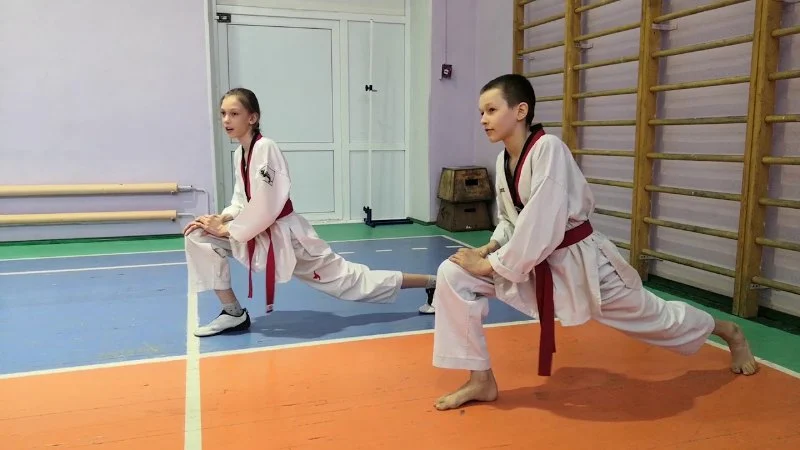
Why Training Beyond the Dojang Matters
Learning how to train for Tae Kwon Do outside of class is something almost every dedicated student in the United States eventually asks about. Classes are essential, but most students only train a few hours a week. Progress often depends on what happens in between. Practicing at home helps reinforce muscle memory, improve balance, and build confidence in techniques that may feel rushed during class.
Many instructors quietly agree that students who practice outside the dojang tend to advance faster. They don’t just memorize movements; they understand them. Training outside of class also allows you to slow things down and focus on details that are easy to miss when following a group.
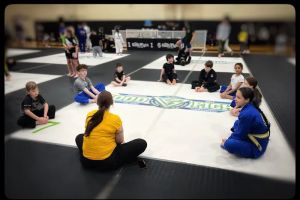
Budo Martial Arts Studio / budo martial arts studio
Ewing TownshipMercer CountyNew Jersey
9 Scotch Rd, Ewing Township, NJ 08628, USA
Creating the Right Mental Approach at Home
One of the biggest challenges with Tae Kwon Do training outside class is motivation. At home, there is no instructor correcting your stance or classmates pushing the pace. That means mindset becomes just as important as technique. Setting a consistent time and treating home practice like a real class can make a huge difference.
Experienced practitioners often recommend short but focused sessions. Even 20 to 30 minutes of intentional practice can be more effective than a long, unfocused workout. Over time, this approach builds discipline, which is a core value of Tae Kwon Do itself.
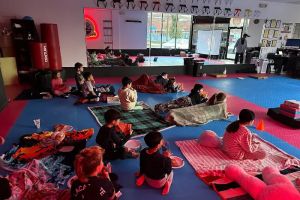
Champions Martial Arts Plainview / champions martial arts plainview
PlainviewNassau CountyNew York
10 Washington Ave, Plainview, NY 11803, USA
Foundational Drills That Support Long-Term Progress
At-home drills should start with basics. Simple stances, controlled kicks, and slow-motion movements help develop balance and control. Practicing fundamental motions without rushing allows your body to learn correct alignment and weight distribution.
Shadow training is especially useful. Performing techniques in the air, while visualizing an opponent, helps improve accuracy and coordination. Many black belts mention that repeating basics at home was key to passing their early belt tests. These drills may feel simple, but they form the foundation for advanced techniques later on.
Improving Technique When Training Solo
Training for Tae Kwon Do outside of class does not require a partner to be effective. One powerful method is slow execution. Performing kicks and blocks at half speed highlights weaknesses in balance and posture that are easy to hide at full speed.
Using a mirror or recording short practice videos can also help. Many students in the US share online how reviewing their own footage revealed habits they never noticed in class. This kind of self-feedback builds awareness and encourages continuous improvement.
Supporting Your Practice With Conditioning and Stretching
Tae Kwon Do demands flexibility, endurance, and core strength. Conditioning work done at home supports your technical training and reduces the risk of strain. Light bodyweight exercises combined with controlled stretching help prepare your body for higher kicks and faster movements.
Flexibility training is especially important. Consistent stretching after practice improves range of motion over time. Many practitioners notice that their kicks become smoother and more controlled after just a few weeks of focused flexibility work.
How At-Home Practice Helped Real Students
During recent years, many Tae Kwon Do schools across the country temporarily reduced in-person classes. Students who continued training at home shared their experiences online, noting that solo practice kept their skills sharp and their confidence high. Some even returned to class feeling more prepared than before.
One commonly shared story involves a student who struggled with balance during turning kicks. By practicing slowly at home each day, focusing only on posture and control, they saw noticeable improvement within a month. These small wins add up and keep motivation strong.
Using the Right Resources to Stay on Track
While training at home can be simple, having the right support makes it easier to stay consistent. From basic training gear to educational resources, choosing quality options matters. This is where platforms like Jeuns TKD Hub can be helpful, offering guidance and access to products or services that align with serious Tae Kwon Do practice.
When learning how to train for Tae Kwon Do outside of class, remember that progress is built through patience and repetition. With a thoughtful approach, at-home training becomes a powerful extension of what you learn in class, helping you grow both physically and mentally as a martial artist.

 Aikido of San Jose4.0 (7 reviews)
 Nikko Jujitsu School4.0 (9 reviews)
 Gracie Barra San Clemente Martial Arts4.0 (47 reviews)
 Karate Institute of America4.0 (4 reviews)
 Keweenaw Korean Martial Arts0.0 (0 reviews)
 Wing Chun School of Internal Arts5.0 (6 reviews)
 How to Execute a Jumping Roundhouse Kick to the Head
 How to Execute a Double Kick Combination in Sparring
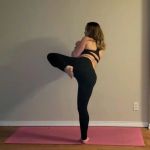 How to Perform a Flawless Axe Kick: A Step-by-Step Guide
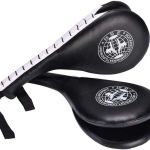 DIY Tae Kwon Do Training Equipment for Home Practice
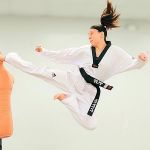 How to Increase Your Vertical Jump for Tae Kwon Do Flying Kicks
 The History of the Tae Kwon Do Peace Corps